
Author’s note:
“While the foundational concepts and arguments were conceived independently, artificial intelligence was deliberately and experimentally integrated into the drafting and development process through an iterative human-led dialogue. Throughout this collaboration, the author has maintained active editorial and conceptual control. This approach serves a dual purpose: to evaluate the practical utility of AI in academic writing as an extension of original human thought, and to invite critical reflection from the reader regarding its efficacy. As an open experiment in scholarly methodology, the resulting text remains fully subject to academic scrutiny concerning how effectively AI can enhance not only contextual richness, but the intrinsic quality of essayistic work.”
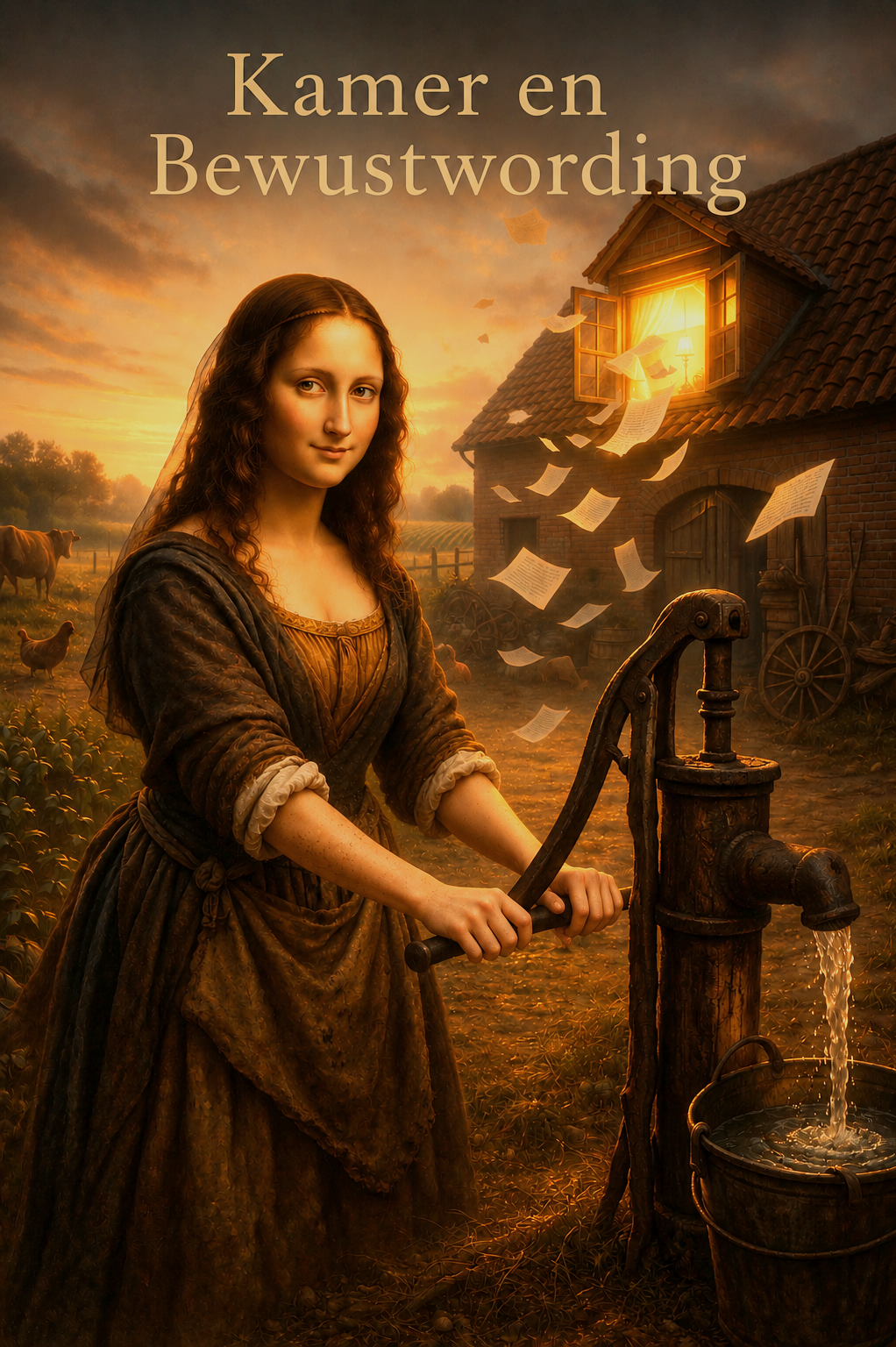
Kamer en Bewustwording (Chamber and Consciousness)
Academic work in Flemish
Chamber and Consciousness is a large-scale research project devoted to the poetry of Belgian writer Charles Ducal. It examines how poetic language exposes structures of inner life—guilt, desire, power, embodiment, memory and transformation—through one recurring image: the chamber. The chamber functions simultaneously as room, psyche, social order, emotional enclosure and symbolic stage, becoming a space in which consciousness encounters its own limits.
The project combines close reading with philosophical interpretation while keeping the poems themselves at the centre. Rhythm, repetition, silence, spatial imagery, shifts of voice and recurring symbols are approached as forms of thought. Across Ducal’s collections, the study traces a gradual movement from controlled, geometric and often claustrophobic spaces towards more open, earthly and resonant forms of language.
Drawing selectively on phenomenology, psychoanalysis, myth criticism and poetics, the research explores masculinity, authority, maternal presence, spiritual absence and the search for incarnation without reducing the poetry to biography or theoretical illustration.
Its distinctive character lies in both scale and method: Chamber and Consciousness functions as a scholarly dissertation and as an extensive intellectual archive of close readings, structural maps and interpretive syntheses.
Ultimately, it approaches poetry not as ornament, but as a laboratory of awareness—a place where language can diagnose, challenge and transform the ways in which the modern self inhabits itself.
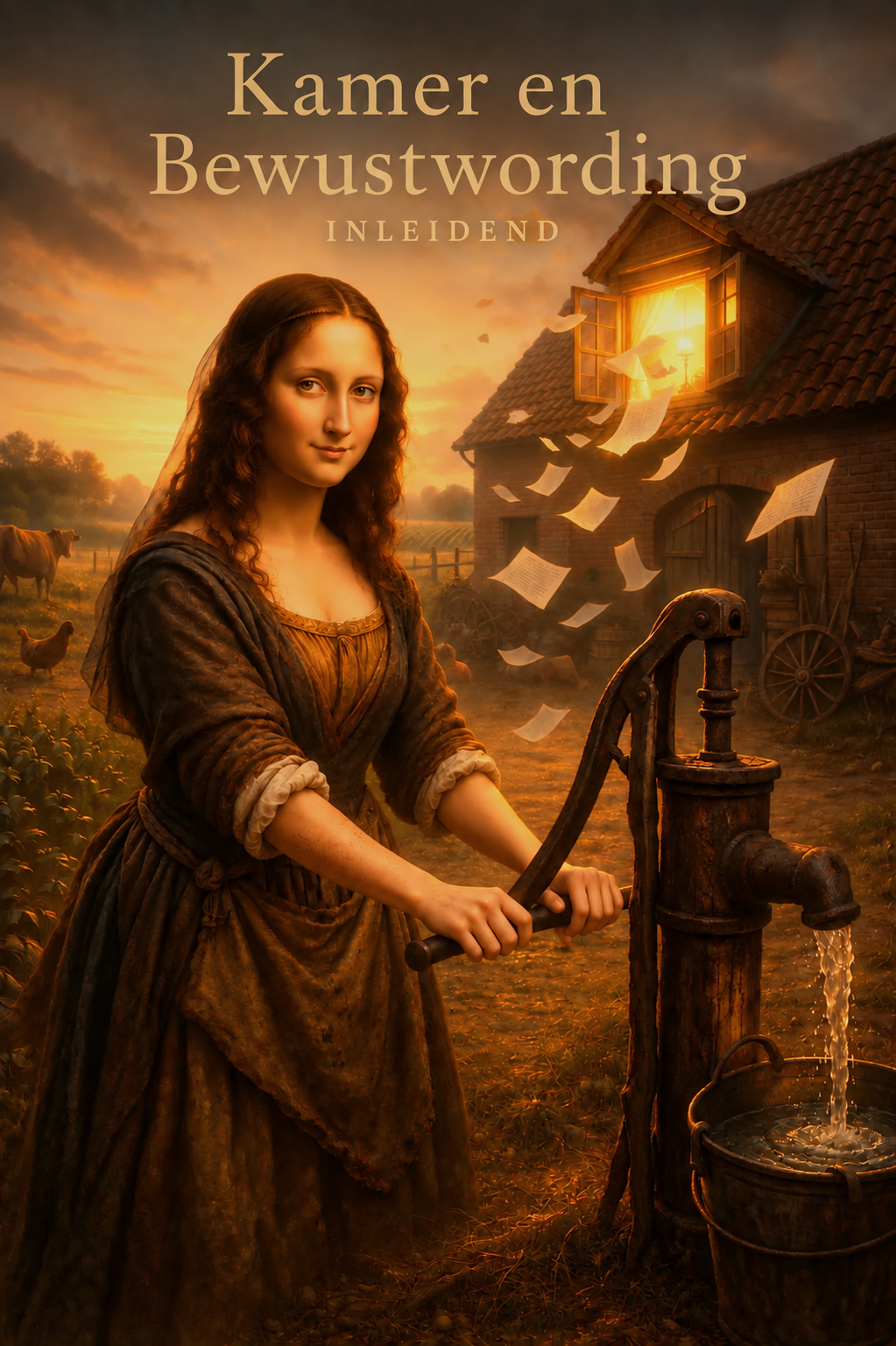
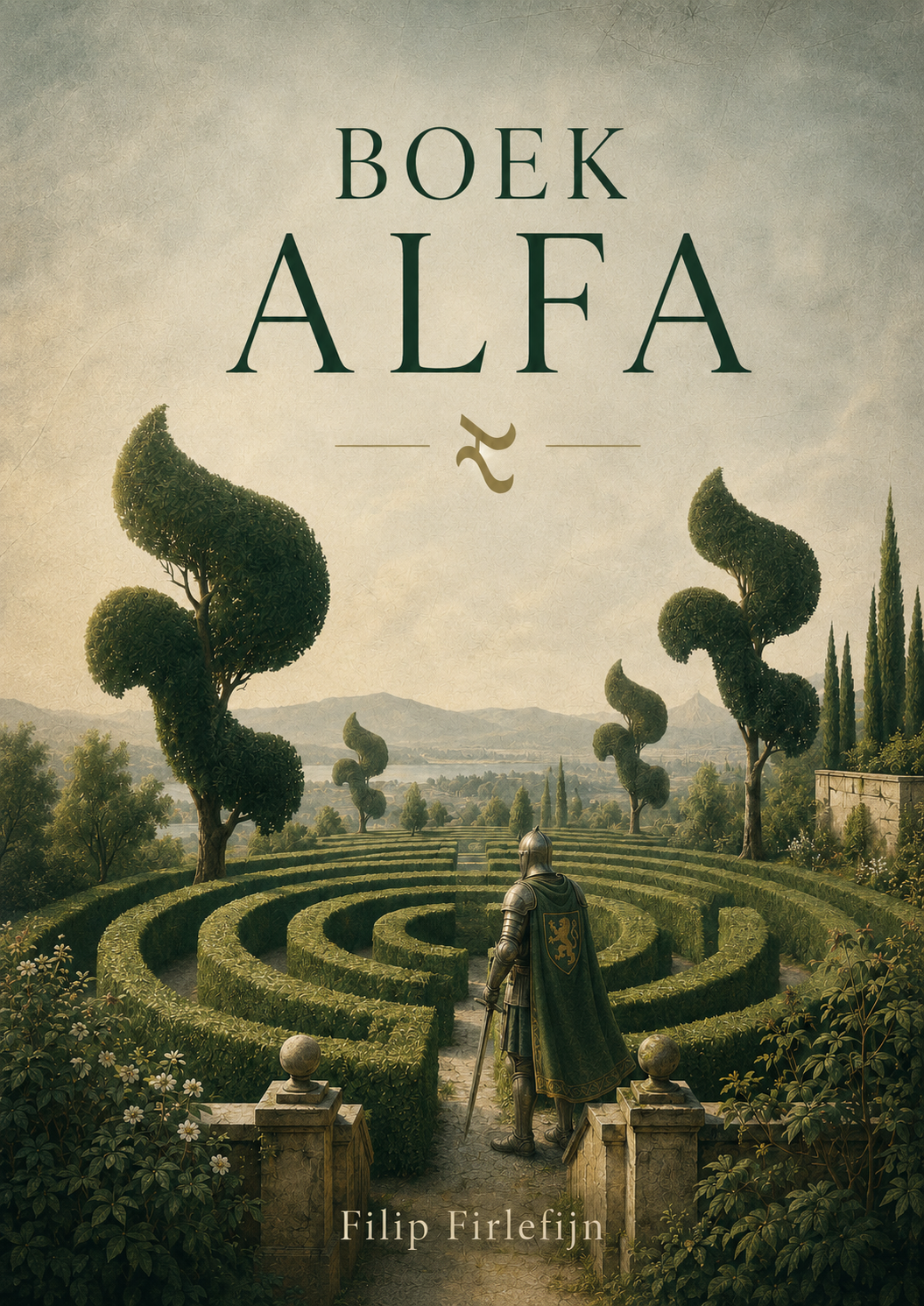

Book Alpha represents the direct encounter with the poem. Its focus is close reading: language, imagery, rhythm, motif, structure, and the movement of individual poems and collections. Alpha forms the textual ground of the project—the place where interpretation begins with what is actually present on the page.
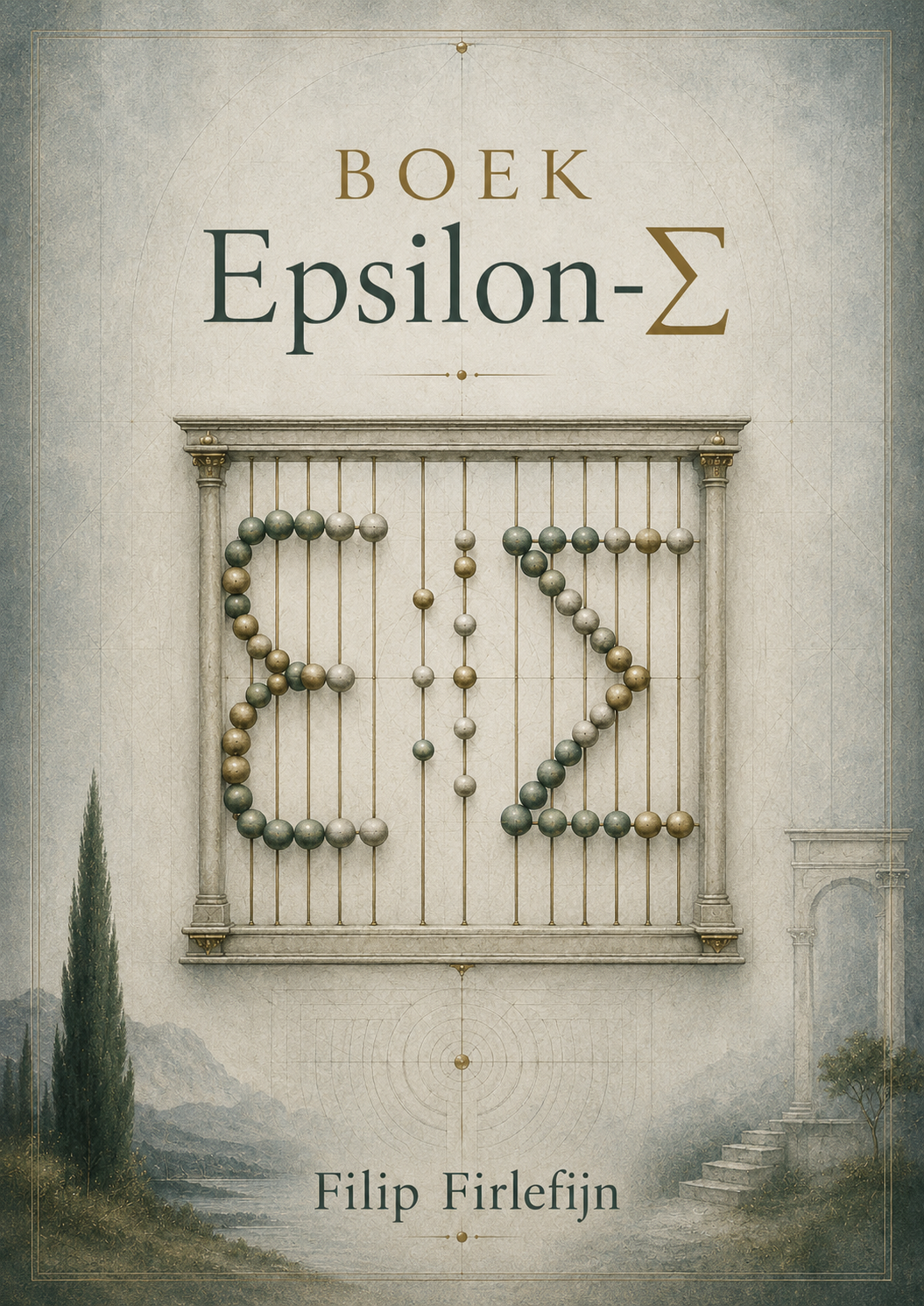
Book Epsilon-Sigma places the individual poems within a more systematic analytical field. Recurring motifs, formal signals, positions of poetic control, sound patterns, and structural correspondences are mapped in detail. Its cover therefore points toward order, comparison, and the gradual emergence of a larger poetic architecture.
Book Omega develops the theoretical and synthetic dimension of the research. The close readings are connected to broader questions of language, consciousness, religion, philosophy, geometry, power, embodiment, and poetic form. Omega is the volume in which individual observations grow into a wider academic and conceptual structure.
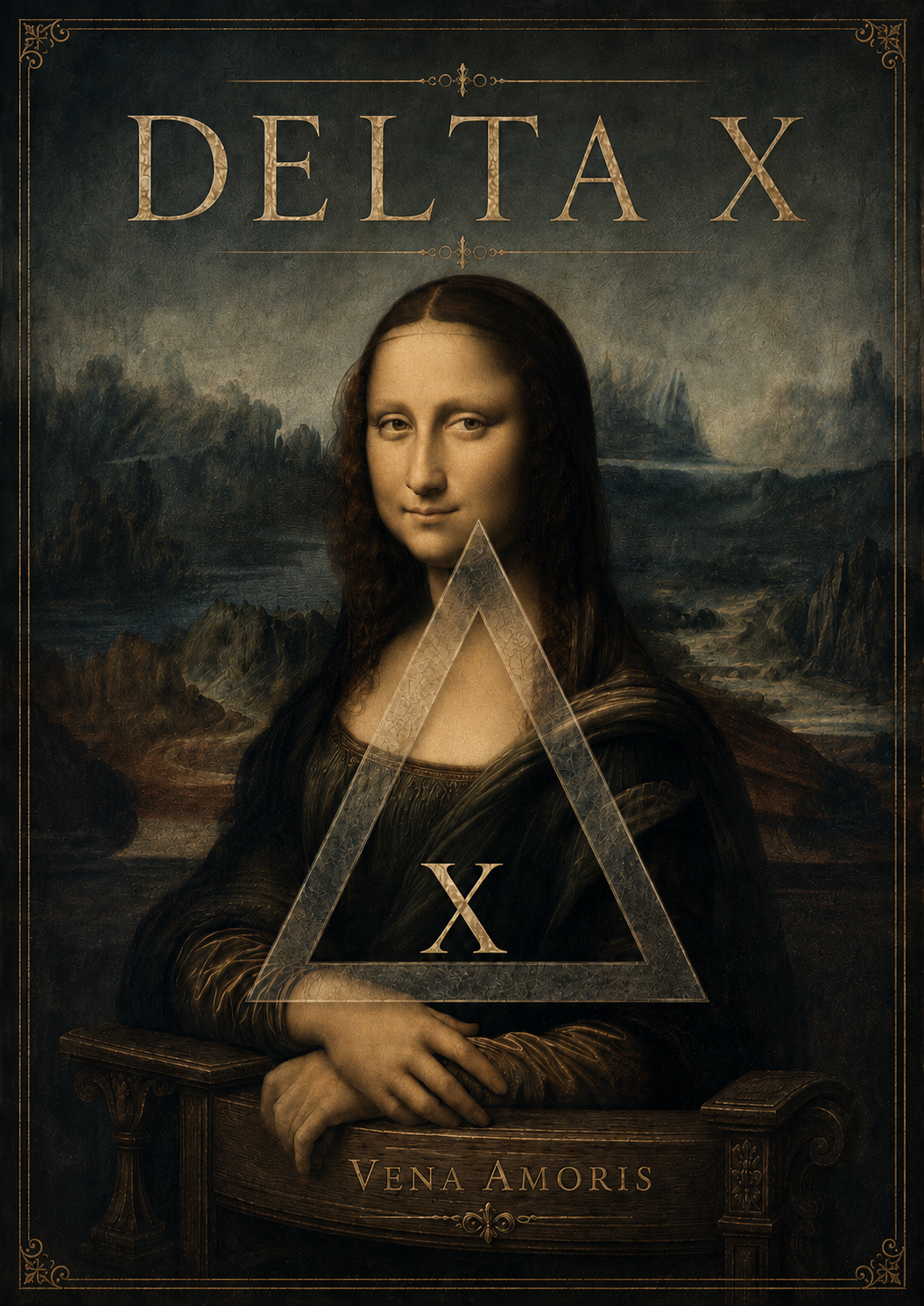
Book Delta X opens a freer and more resonant field of inquiry. It gathers lines deliberately left less fixed within the academic core: sfumato, symbolic geometry, the room, the mirror, alchemy, image, number, resonance, and cultural correspondences. Delta X is not merely an appendix, but an experimental horizon in which meaning may remain suggestive, mobile, and open rather than being forced into a single final explanation.
Overview of Institutions Contacted
KU Leuven — Faculty of Arts
University of Antwerp — Faculty of Arts
Ghent University (UGent) — Faculty of Arts and Philosophy
Vrije Universiteit Brussel (VUB) — Faculty of Arts and Philosophy
Atlas Contact Publishing House — Amsterdam
Purpose of contact: The universities were approached to explore potential academic interest in the research project on the poetry of Charles Ducal, particularly its possible relevance to literary research groups, academic seminars, university courses, and future scholarly collaboration.
Atlas Contact was contacted regarding publication rights and permissions for the reproduction of copyrighted literary material within the research project.